Ask a tarot deck a yes or no question and you will almost always be told the same rule. Upright means yes. Reversed means no. Count them up, majority wins.
That is a coin. It has a picture on it, and somebody has painted the picture very carefully, but the answer is decided entirely by how the card came out of the shuffle. You could get the same information from a ten pence piece and save yourself the reading.
Two things wrong with upright equals yes
The first is that it throws the card away. Under the naive rule, the Tower upright is a yes. So is Death upright. Draw the Tower, Death and the Five of Fans the right way up and the spread comes back as an enthusiastic, unqualified yes to whatever you asked, which anyone who has ever seen those three cards together knows is nonsense.
The second is worse, because it is silent. Plenty of readers do not use reversals at all, and every spread here lets you turn them off before you draw. Do that under the naive rule and every card in the deck is a yes. The reading cannot return anything else. A model that is only capable of being wrong in one direction is not a model.
What a card is worth before it lands
So the leaning belongs to the card, not to the orientation. Every one of the 234 cards on this site carries its own: yes, no, or it depends, decided by what the card says.
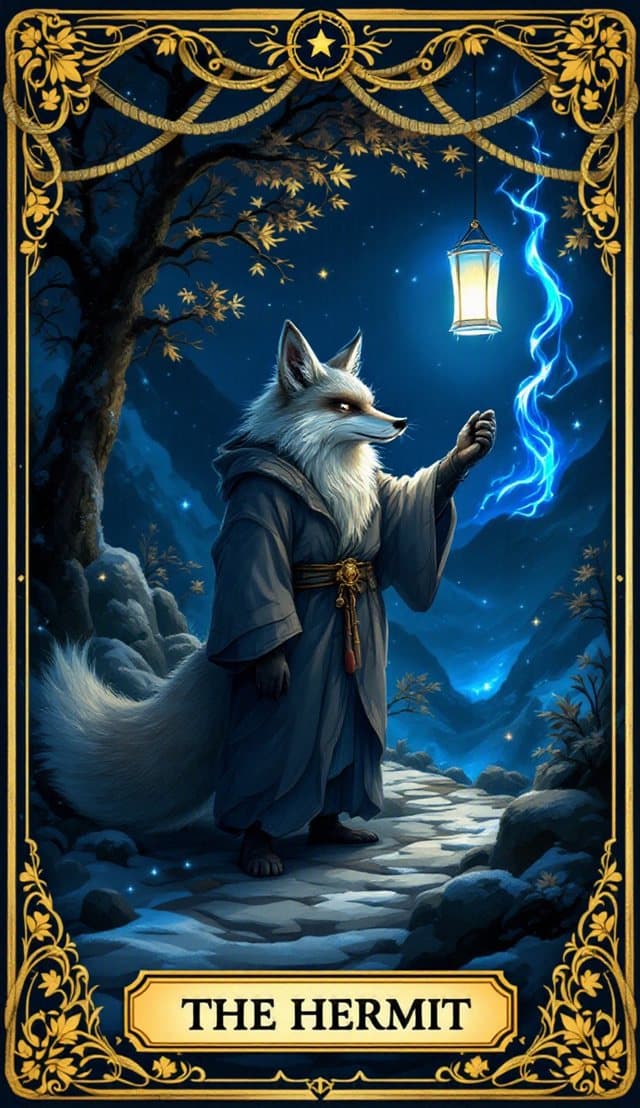
The twenty-two majors are assigned one at a time, because twenty-two judgement calls are cheaper than one clever rule that gets four of them wrong. The Star is a yes. The Tower and the Devil are not. Death is a no in the narrowest possible sense: not in this form, not the way you are holding it. And five of the twenty-two decline to answer at all, for five different reasons. The High Priestess because it is not yet spoken. Justice because it depends on the merits. Temperance because it depends on the pace. The Hermit because the answer is to withdraw and ask again later, which is not a no and was never a yes.
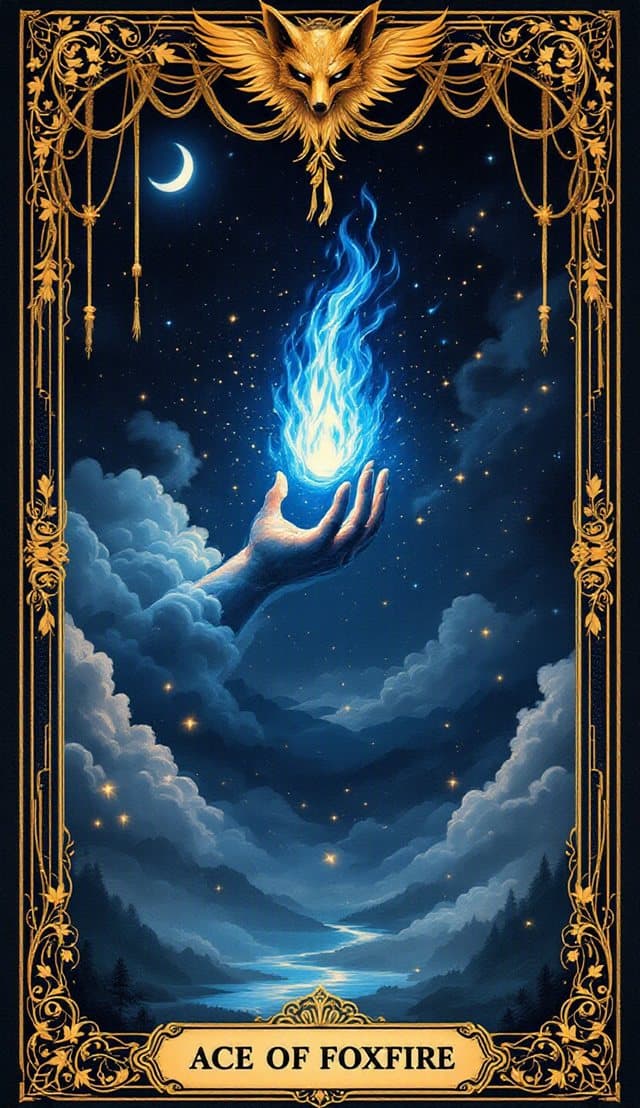
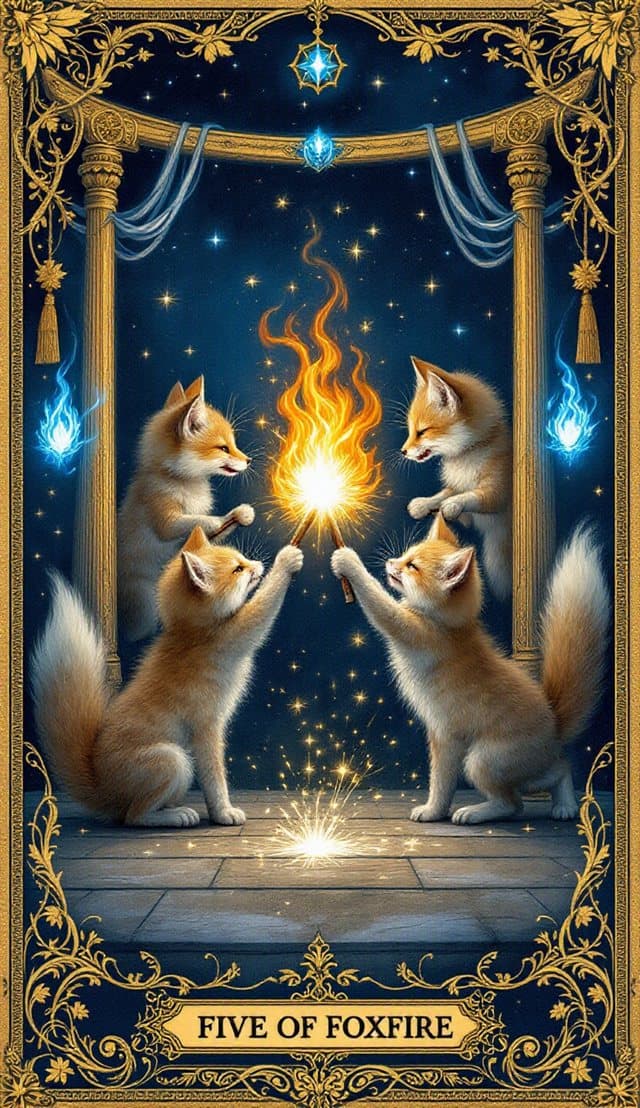
The fifty-six minors go by rank first. Aces are the clearest yes in the deck, so the Ace of Foxfire reads yes and so does the Ace of Boxes. Fives are the struggle cards and read no, which is why the Five of Foxfire will not agree with you no matter how nicely you ask. Courts are people rather than answers, and refuse to score at all.
Everything left over is decided by the suit's element. Fire is movement and will, water is feeling and flow, and both lean yes. Air is the cutting suit, conflict and doubt, and leans no. Earth is a slow yes, which the site records as "it depends", because a thing that will work but not quickly is not the answer somebody asking about Friday is looking for.
That last part is why this survives a new deck. There are twelve suits across the three decks and only four elements between them, so adding a fourth deck means mapping four suit names and nothing else. Fans, Umbrellas and Claws are the same suit wearing three coats.
What reversal actually does
Reversal still matters. It just does not do all the work.
A reversed card flips a leaning that committed, and leaves a hedge hedged. The Star reversed reads no. The Five of Foxfire reversed reads yes, which sounds strange until you remember that a struggle card upside down is the struggle easing. But the Hermit reversed is still "it depends", and so is Justice, and so is every court card in the deck. A card that declined to answer does not start answering because you turned it round. That is the part the naive rule cannot express at all.
Three cards, one number
The yes or no spread draws three: the answer, what tips it, and what to watch. Each contributes plus one, minus one or nothing, and the total lands somewhere between minus three and plus three.
Two or better is Yes. One is "Yes, with a caveat", because something in the spread wants a word first. Minus one is "No, but not a door slammed". Minus two or worse is No, and the cards are being consistent about it.
Zero is the interesting one. Zero is "the foxes won't commit", and it is a real answer rather than a failure to produce one. Cards that cancel each other out almost always mean the question was two questions in a coat, or that the thing you are asking about is not yours alone to decide. Rephrase it and draw again. You will usually find the second version was the one you actually wanted.
What this is not
None of this makes the answer true.
The leanings are a table, and somebody wrote the table. Reasonable readers put the Hierophant on the other side of the line from where it sits here, and calling Death a no is itself an interpretation of a card whose whole argument is that endings are not disasters. There is no fact of the matter being recovered.
What there is, is a reading. Three specific cards, weighed by what they say, producing an answer that changes when the cards change. Turn reversals off and the verdict still means something, because the meaning never lived in the orientation. Every card page on this site prints its leaning near the top, in the same row as the arcana and the deck, so you can go and disagree with any of them.
You cannot disagree with a coin. That is the whole difference.